Breeding Your Own Feeder Guppies at Home
A small breeding colony can supply free feeders indefinitely. Here is how to set one up, maximize fry survival, and keep a steady supply of live food.
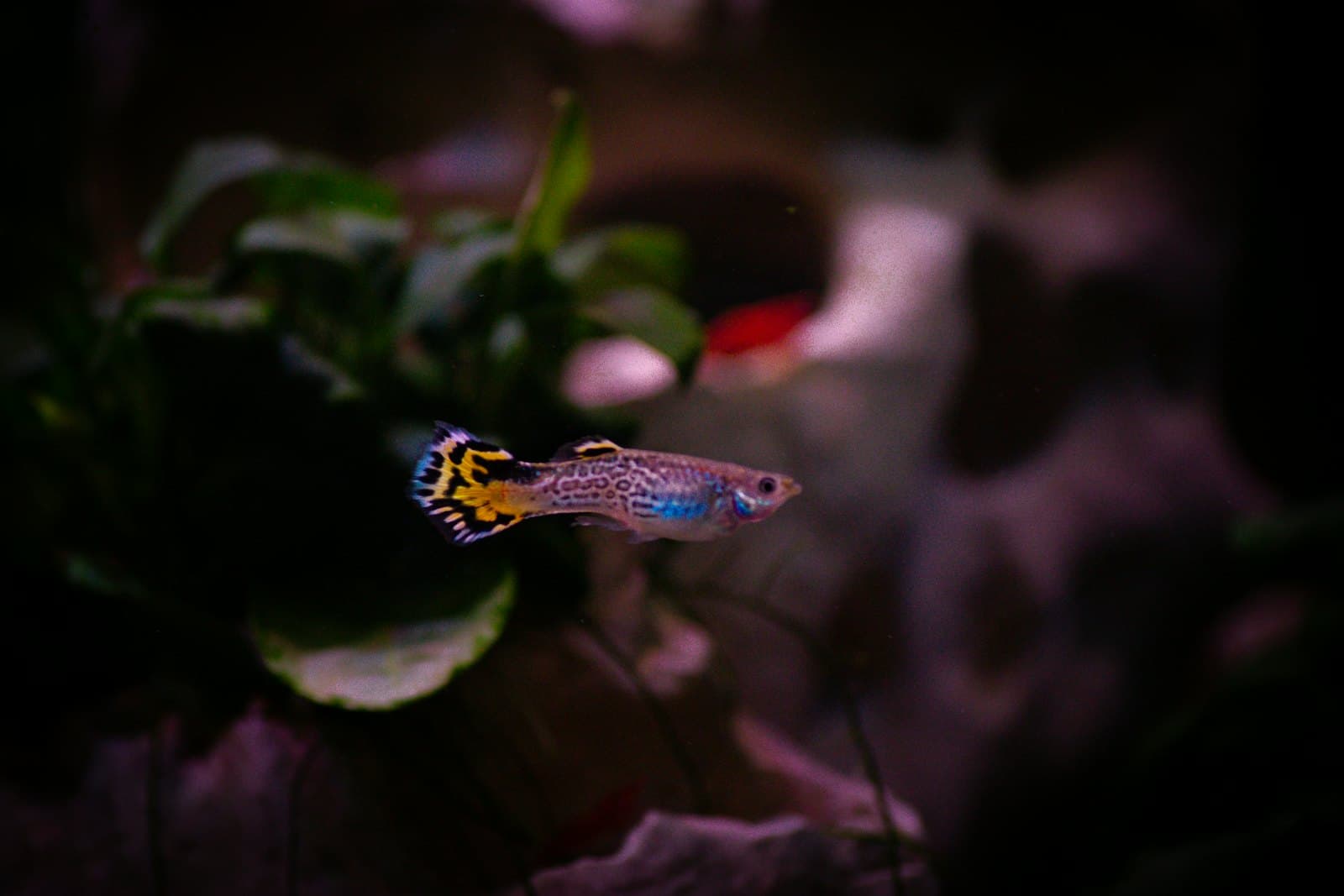
Guppies are livebearers that breed readily, which makes a home colony one of the most cost-effective ways to keep live food on hand. With a modest setup you can produce a steady stream of feeders — and top up with bulk orders when demand spikes.

Setting up the colony
- A 10–20 gallon tank with a sponge filter and heater at 76–80°F
- A starting group with more females than males (e.g. 2–3 females per male)
- Dense plant cover — guppy grass, java moss, or hornwort — for fry refuge
- A quality color-enhancing flake to condition the breeders
Maximizing fry survival
Adult guppies will eat their own fry, so cover is everything. A thick floating and bushy planted refuge lets newborns hide and grow. If you want to maximize numbers, move heavily pregnant females to a separate planted tank and return them once they drop their fry.
Fry-survival hack
A clump of floating plants at the surface gives newborns a ceiling to hide under in the first vulnerable days — the cheapest survival boost there is.
Feeding and growing out
Feed fry small amounts of finely crushed flake or micro pellets several times a day. Clean water and frequent small feedings drive fast, healthy growth. Within weeks you will have feeders sized for a range of predators.
How many will you actually need?
Even a colony has lean stretches. See your real weekly demand so you know when to top up.
Your setup
Predator size
Estimates assume 3 feedings per week. Adjust to your own routine — appetite varies with temperature, age, and the individual animal.
You'll need about
6
per feeding
18
per week
36
per 2 weeks
77
per month
feeder guppies for 1 oscar / large cichlid at medium / adult size.
Best one-time pack
Guppy Feeder Fish — 50 Pack
$59.99 · 50 fish · $1.20/fish — about a two-week supply.
View this packBest subscription
Nano Plan
$53.99 every 2 weeks · 50 fish — auto-delivered so you never run out.
See this planRound out the diet: for oscar / large cichlid, we suggest sinking pellets 2–3× weekly. See the food we recommend →
When to supplement with bulk orders
Even a productive colony has lean stretches, and demand can outpace supply when you add a big predator. That is when a bulk pack or a bi-weekly subscription fills the gap — same hatchery conditioning, no breeding crash.

A home colony plus the occasional bulk order is the most reliable live-food strategy there is: free fish most of the time, and a safety net when you need it.
Recommended
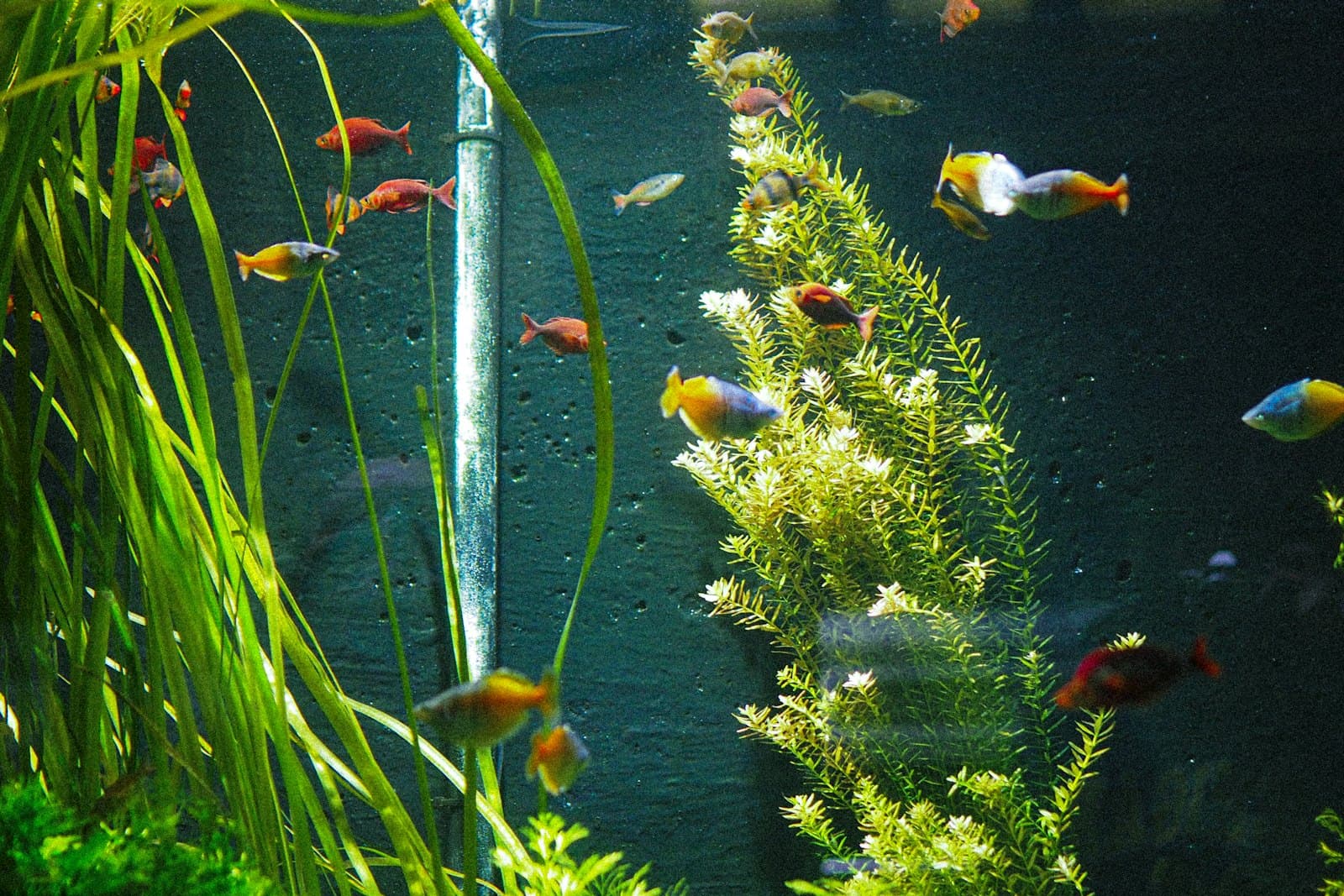
Guppy Grass (Najas) Portion
The fry-saving thicket that makes a home colony actually productive.
$7.49
Frequently asked questions
How fast do feeder guppies breed?
Females drop 20–60 fry roughly every month in warm, well-fed conditions — a colony scales quickly with enough cover.
How many guppies do I need to start?
A trio (one male, two females) works, but starting with a bulk pack gives you genetic diversity and feeders to use right away.
Why are my fry disappearing?
Adults are eating them. Add dense floating and bushy plants or separate pregnant females.
Ready to stock up?
Healthy, gut-loaded guppy feeders in bulk packs and bi-weekly subscriptions — live arrival guaranteed.
Questions about this guide? Email [email protected]