Live vs Frozen vs Dry Food: What Should You Feed?
Each food type has a job. Here is when live feeders win, when frozen and dry make more sense, and how to combine all three into a diet that keeps predators thriving.
The live-versus-frozen-versus-dry debate has a boring answer: the best diet usually uses all three. Each format does something the others cannot, and the right mix depends on your animal.

Where live feeders win
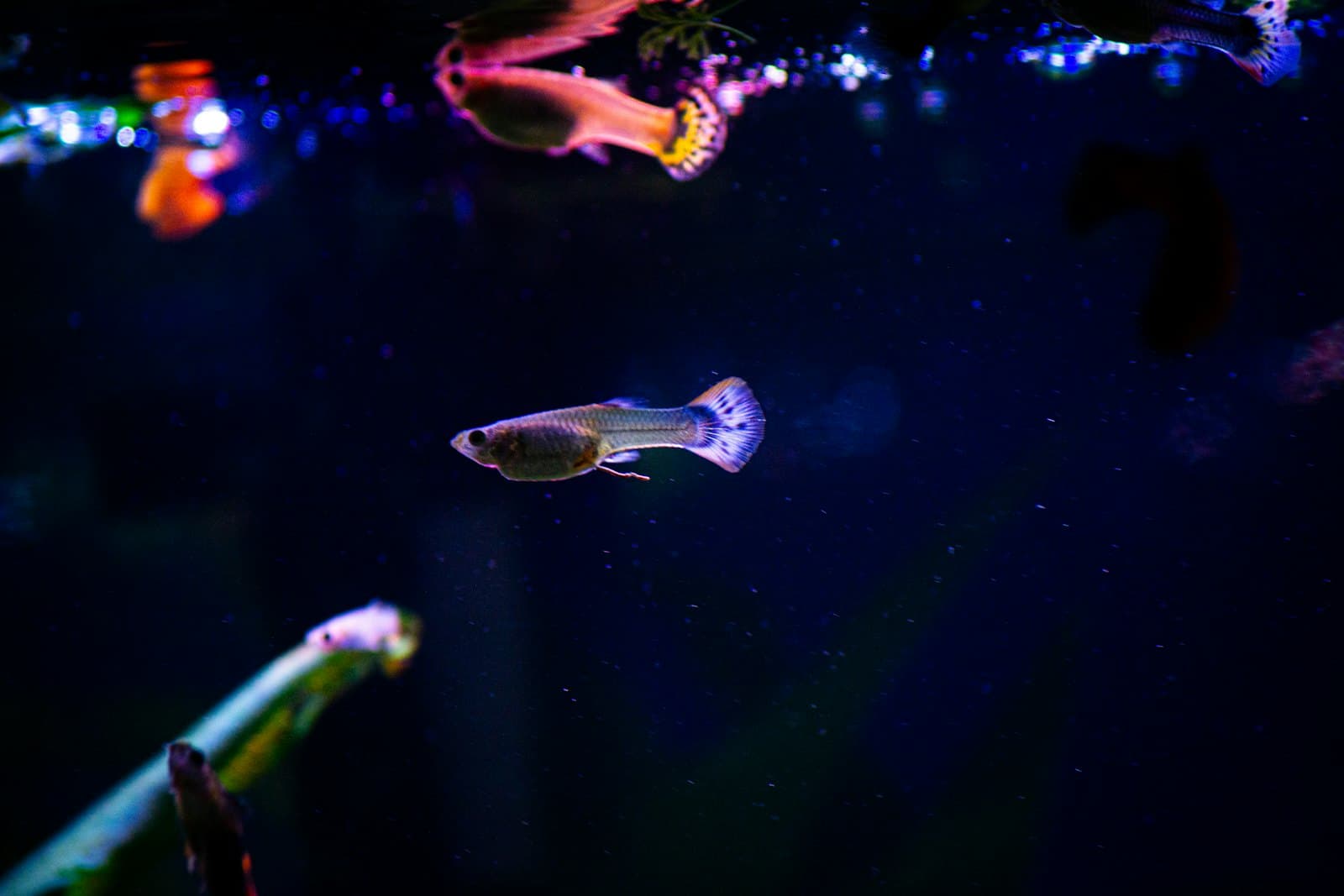
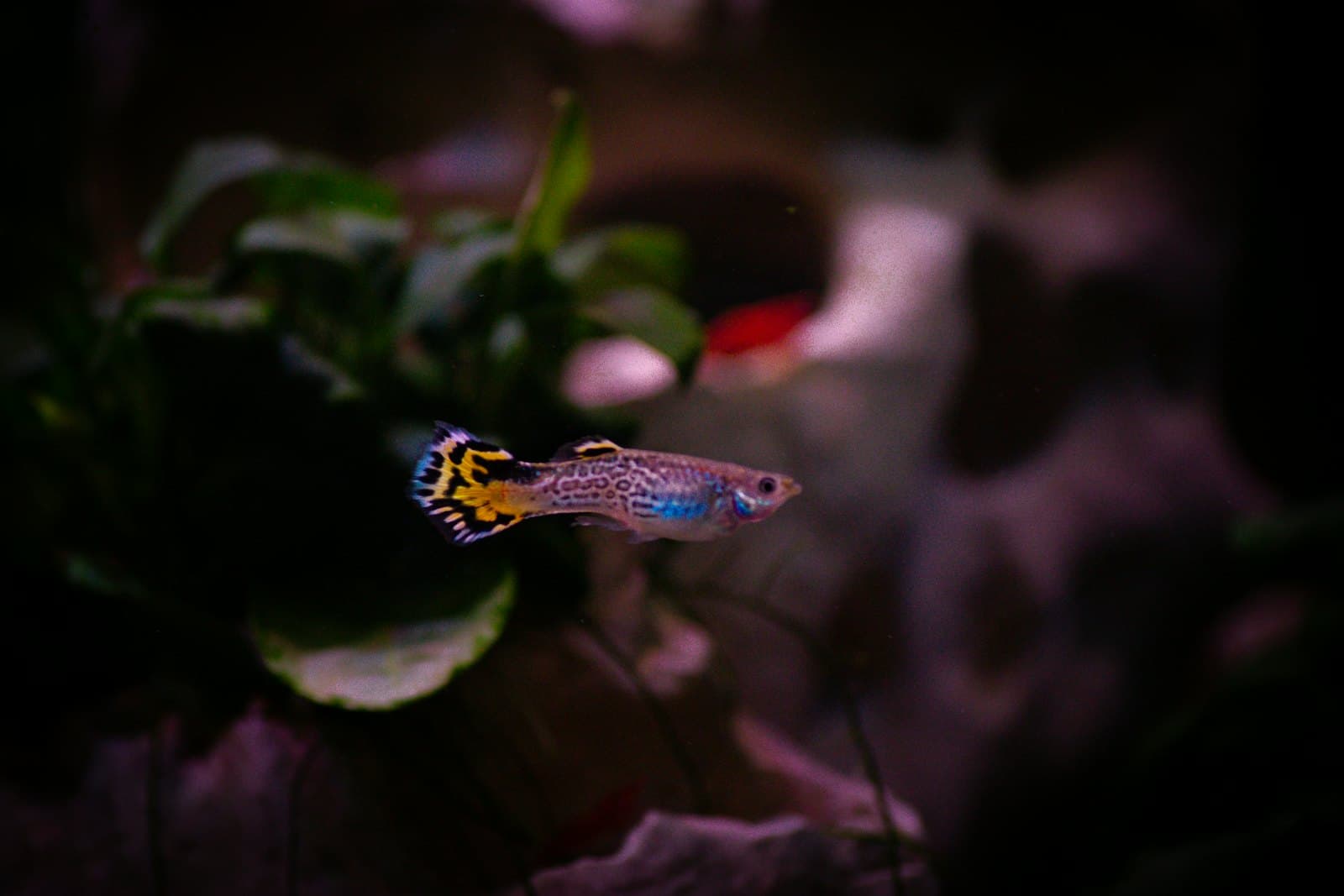
Live guppies trigger natural hunting behavior, which matters enormously for the health and enrichment of predators like puffers, leaf fish, and arowana. Some fish will only reliably eat moving prey. And because you can gut-load a live feeder, it can be the most nutrient-dense option in the tank.
Where frozen fits
Frozen foods — bloodworms, brine shrimp, mysis — bridge the gap. They carry no disease risk, store for months, and many predators take them readily once trained. They are a convenient supplement when you cannot offer live food.
Where dry food earns its keep
Quality dry food is consistent, fortified, and cheap per meal. It is the practical daily staple for community fish and a reliable supplement for predators between live feedings. It is also how you gut-load your feeders.
Watch out
Cheap store feeders are the main source of disease — not the live-food format itself. Buy captive-bred, quarantined feeders and the risk drops dramatically.
What will a live-food diet cost you?
Estimate your monthly and yearly feeder spend — and how much bulk ordering saves.
What does feeding really cost?
Estimate your monthly and yearly live-food bill.
Size
Estimated live-food spend
18
feeders / week
$55.44
per month
$673.90
per year
At our best subscription price of $0.72/fish.
Buying tiny store packs instead would cost about $92.40/month — so ordering in bulk saves you roughly $449.30 a year.
A simple combined routine
- Live, gut-loaded guppies two to three times a week for hunting predators
- Frozen foods as a no-disease-risk supplement
- A quality dry staple for community fish and fill-in days
- Always gut-load live feeders on a fortified formula first

Think of live food as enrichment and targeted nutrition, frozen as convenient variety, and dry as the dependable backbone. Together they beat any one alone.
Recommended
Gut-Load Booster Formula
Turn any live feeder into a nutrient capsule with the formula our hatchery uses before shipping.
$16.99
Frequently asked questions
Is live food necessary?
For obligate hunters like puffers and leaf fish, often yes. For community fish, a good dry diet is plenty. Most keepers blend all three.
Are live feeders dangerous?
Only if poorly sourced. Captive-bred, quarantined guppies carry far less risk than bargain-vat fish.
How do I make live food more nutritious?
Gut-load the feeders for 24–48 hours first — it is the biggest lever you have.
Ready to stock up?
Healthy, gut-loaded guppy feeders in bulk packs and bi-weekly subscriptions — live arrival guaranteed.
Questions about this guide? Email [email protected]